
Fertilizer Shop Marketing: Running a fertilizer shop today is very different from running one a decade ago. Earlier, farmers relied mainly on word-of-mouth, nearby markets, or known suppliers to purchase fertilizers, pesticides, and agrochemicals. Today, the buying journey has changed. Farmers, distributors, and even large growers now search online for a fertilizer store near me, compare product availability, check credibility, and sometimes even look at social media before deciding where to buy.
This shift has made fertilizer shop marketing a powerful growth driver—but also a potential risk if ignored. Businesses that adapt to modern marketing methods gain visibility, trust, and consistent customers. Those that do not often struggle, even if they offer quality products.
This blog explores both the positive and negative sides of fertilizer shop marketing, with a strong focus on EEAT principles (Experience, Expertise, Authoritativeness, and Trustworthiness). It explains how fertilizer shops, agrochemical dealers, and agriculture pesticide stores can grow using smart marketing—especially social media marketing—and what happens when they fail to do so.
Understanding Fertilizer Shop Marketing in Today’s Agriculture Industry
Fertilizer shop marketing refers to all the efforts a fertilizer or agrochemical business makes to promote its products, attract customers, and build long-term trust. This includes offline visibility, local search presence, customer relationships, and increasingly, digital marketing.
Modern fertilizer shop marketing is no longer limited to banners or word-of-mouth. Farmers today are more informed. They ask questions, research products, and compare suppliers. They want assurance that the fertilizers and agrochemicals they buy are genuine, effective, and suitable for their crops.
A well-planned marketing approach helps fertilizer shops communicate expertise, product availability, and reliability. Without marketing, even a well-stocked shop can remain invisible to new customers.
The Positive Impact of Strong Fertilizer Shop Marketing
1. Increased Local Visibility and Customer Reach
One of the biggest benefits of fertilizer shop marketing is improved local visibility. When farmers search online for a fertilizer store near me or an agriculture pesticide shop near me, businesses with an online presence appear first.
This visibility brings new customers who may not have known about the shop otherwise. It also helps seasonal customers find the shop quickly during peak farming periods.
Marketing ensures that a fertilizer shop is present wherever farmers are looking—offline and online.
2. Building Trust in Agrochemicals and Products
Agrochemicals directly affect crop yield and soil health. Farmers are cautious about what they buy. Effective fertilizer shop marketing focuses on education, not just selling.
By sharing correct information about fertilizers, pesticides, and usage guidelines, a shop builds credibility. Over time, customers start trusting the shop not just as a seller, but as a knowledgeable partner.
This trust leads to repeat business and strong word-of-mouth referrals.
3. Differentiation in a Competitive Market
Many fertilizer shops sell similar products. What differentiates one shop from another is often service quality, advice, and reliability.
Marketing highlights these strengths. A shop that communicates its experience, product range, and customer support clearly stands out from competitors who rely only on location.
This differentiation becomes critical in areas with multiple fertilizer dealers.
The Negative Side of Ignoring Fertilizer Shop Marketing
1. Losing Customers to More Visible Competitors
When a fertilizer shop ignores marketing, it becomes invisible to new customers. Even loyal customers may switch if they find another shop more easily or perceive it as more reliable.
Competitors who invest in basic online presence or social media often attract customers simply because they are easier to find.
2. Dependence on Seasonal Walk-Ins Only
Without marketing, fertilizer shops depend heavily on seasonal demand and existing customers. This makes revenue unpredictable.
Marketing helps smooth out these fluctuations by attracting customers consistently and building relationships beyond seasonal cycles.
3. Reduced Trust Among New Farmers
Younger farmers and agri-entrepreneurs often rely on digital channels to evaluate suppliers. A shop with no online presence or outdated information may appear unreliable, even if it offers good products.
This perception gap can quietly hurt business growth.
EEAT in Fertilizer Shop Marketing
Experience
Experience is critical in agriculture. Fertilizer shop marketing should reflect years of hands-on knowledge—understanding crops, soil conditions, and local farming challenges.
Shops that share real-world experience gain respect and loyalty from farmers.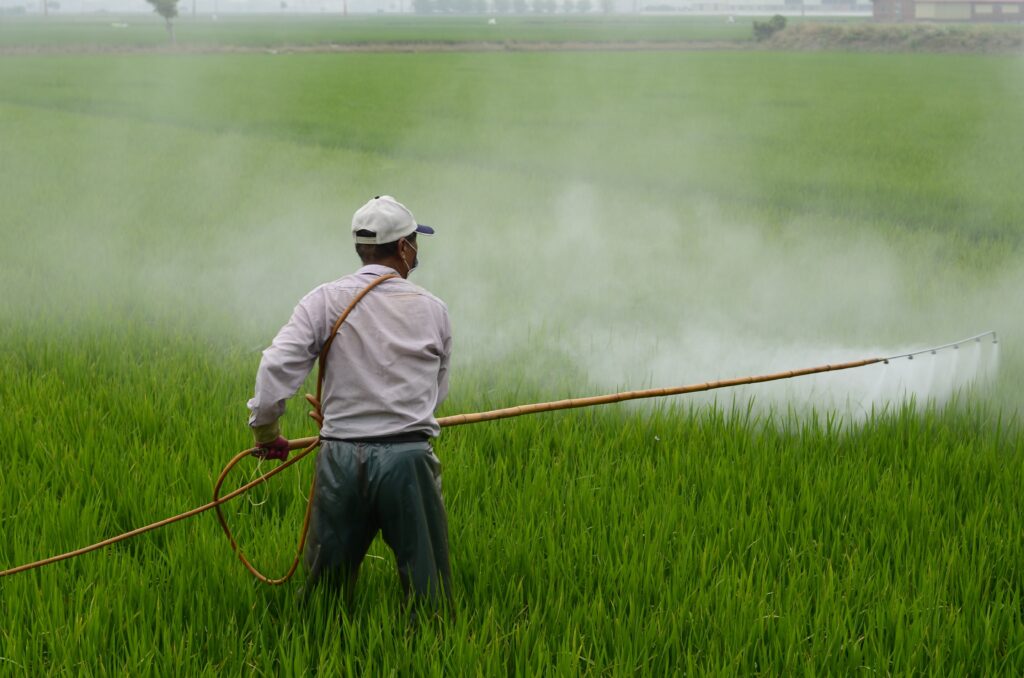
Expertise
Expertise means knowing products thoroughly. This includes fertilizers, pesticides, and agrochemicals, along with correct usage and safety measures.
Marketing content that educates customers about proper application and benefits demonstrates expertise and builds confidence.
Authoritativeness
Authoritativeness comes from consistency and reputation. Shops that are known for genuine products, accurate advice, and fair pricing naturally gain authority in their region.
Marketing helps communicate this authority beyond the immediate locality.
Trustworthiness
Trust is essential in agriculture. Fertilizer shop marketing must be honest, transparent, and customer-focused. Exaggerated claims or misleading promotions damage trust quickly.
Shops that prioritize long-term relationships over quick sales build stronger businesses.
The Role of Social Media Marketing in Fertilizer Shop Growth
Social media marketing has become a surprisingly powerful tool for fertilizer shops and agrochemical dealers.
Positive Impact of Social Media Marketing
Helps reach farmers beyond physical location
Allows sharing of crop tips, product updates, and seasonal advice
Builds a community around the shop
Increases brand recall and trust
Platforms like WhatsApp, Facebook, and regional-language content perform particularly well in rural and semi-urban areas.
Negative Impact of Poor Social Media Use
Irregular posting reduces credibility
Misinformation can harm trust
Over-promotional content may annoy customers
Social media marketing must be educational, consistent, and relevant to farming needs.
Marketing an Agriculture Pesticide Shop Responsibly
Pesticides require careful handling and correct usage. Marketing an agriculture pesticide shop near me must focus on responsibility and education.
Positive marketing highlights:
Proper application methods
Safety precautions
Crop-specific recommendations
Negative practices include:
Over-promising results
Encouraging misuse
Ignoring safety guidelines
Responsible marketing protects both farmers and the shop’s reputation.
Local Search and “Near Me” Visibility
Many farmers now use smartphones to search for suppliers. Queries like fertilizer store near me or agriculture pesticide shop near me are increasingly common.
Optimizing local presence ensures that:
The shop appears in local search results
Customers can find directions easily
Contact details are always available
Local visibility directly translates into footfall and inquiries.
Combining Offline Strength with Online Marketing
Successful fertilizer shop marketing blends traditional strengths with modern tools.
Offline strengths:
Personal relationships
On-ground experience
Local reputation
Online marketing amplifies these strengths by:
Reaching new customers
Sharing knowledge digitally
Maintaining visibility year-round
This combination creates a powerful growth engine.
Common Marketing Mistakes Fertilizer Shops Should Avoid
Negative marketing practices include:
Ignoring digital presence completely
Using misleading product claims
Focusing only on discounts instead of value
Inconsistent communication
These mistakes reduce trust and long-term growth potential.
Long-Term Benefits of Strategic Fertilizer Shop Marketing
When done correctly, fertilizer shop marketing delivers:
Stable customer base
Higher brand recognition
Increased repeat purchases
Stronger community trust
Over time, the shop becomes the preferred choice in its area.
How Marketing Supports Agrochemical Brands and Dealers
Agrochemical manufacturers and distributors also benefit when fertilizer shops market responsibly. Better-informed customers use products correctly, leading to better results and fewer complaints.
This creates a healthy ecosystem where farmers, shops, and brands grow together.
Future of Fertilizer Shop Marketing
The future of fertilizer shop marketing lies in:
Digital awareness
Education-driven content
Local and regional language communication
Strong online-offline integration
Shops that adapt early will lead the market, while others may struggle to stay relevant.
Conclusion
Fertilizer shop marketing is no longer optional—it is a powerful factor that can either grow an agro business or quietly limit its potential. When done positively, marketing improves visibility, builds trust, and attracts loyal customers. When ignored or done poorly, it leads to lost opportunities and declining relevance.
By combining experience, expertise, authority, and trust with smart tools like social media marketing, fertilizer shops, agrochemical dealers, and pesticide stores can build strong, sustainable businesses.
In today’s competitive agriculture market, the real power lies not just in selling fertilizers—but in marketing them responsibly, visibly, and strategically