In today’s hyper-competitive digital economy, online advertising platforms are no longer optional—they are a survival tool. Brands that understand them scale rapidly, while those that misuse them burn money with little to show in return. Among all platforms, Facebook Ads and Meta Ads remain the most powerful yet most misunderstood forces in digital marketing.
This blog breaks down the real truth—not the glossy promises—behind Facebook and advertising, how Ads Manager on Facebook.com actually works, and why choosing the right strategy can turn online advertising platforms into growth engines instead of financial black holes. Built using EEAT (Experience, Expertise, Authoritativeness, and Trustworthiness), this guide is designed for business owners, marketers, and decision-makers who want clarity, not confusion.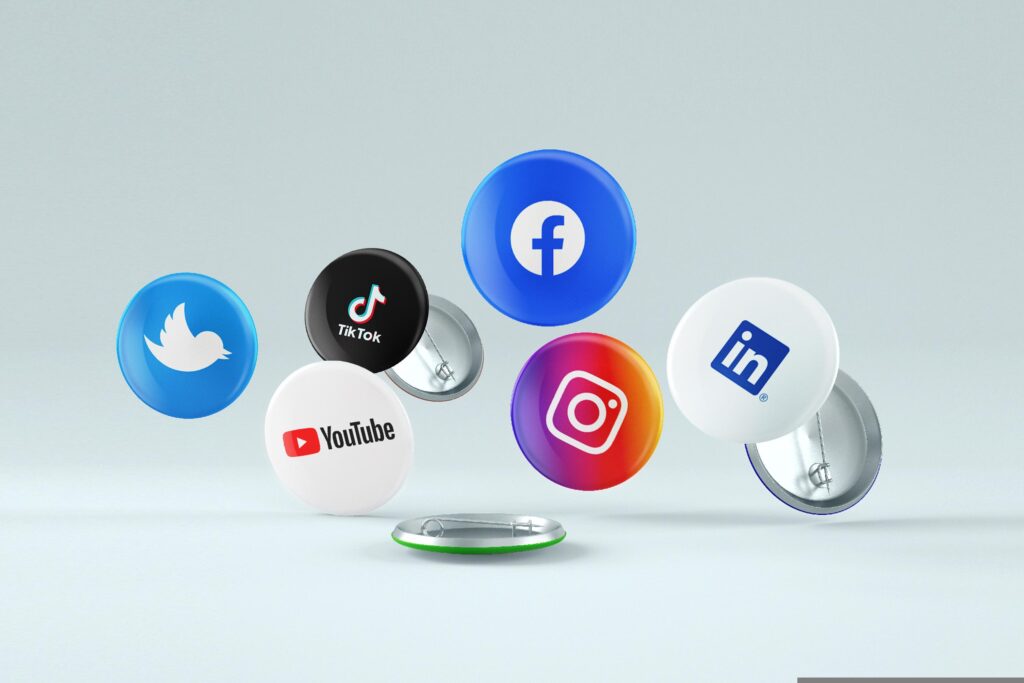
Understanding Online Advertising Platforms in the Real World
Online advertising platforms are digital systems that allow businesses to promote products or services to targeted audiences across the internet. These platforms use data, algorithms, and automation to display ads to users most likely to convert.
Popular online advertising platforms include:
Facebook Ads (Meta Ads)
Google Ads
YouTube Ads
LinkedIn Ads
Instagram Ads
Display and programmatic networks
However, not all platforms offer the same value. Each serves a different intent level, audience behavior, and conversion cycle. Facebook and advertising ecosystems, in particular, dominate the attention economy, where discovery happens before intent.
Why Facebook Ads Still Rule Online Advertising Platforms
Despite rising competition, Facebook Ads under Meta Ads continue to outperform most online advertising platforms for one simple reason: unmatched audience data.
Meta controls Facebook, Instagram, Messenger, and Audience Network—creating a massive behavioral database. This allows advertisers to target users based on:
Interests and behaviors
Demographics and life events
Website activity (via Pixel)
App usage and engagement
Lookalike audiences
This depth of targeting is why Facebook Ads are still central to Facebook and advertising strategies globally.
Expert Insight:
Facebook Ads are not intent-based like Google Ads; they are demand-creation tools. Businesses that treat them as direct sales channels without nurturing fail fast.
Meta Ads Explained: More Than Just Facebook Boosts
A common misconception is that Meta Ads are just “boosted posts.” This belief is one of the biggest reasons advertisers lose money.
Meta Ads, managed through Ads Manager on Facebook.com, are a sophisticated advertising ecosystem that includes:
Campaign-level objectives (Awareness, Traffic, Leads, Sales)
Ad set-level targeting and budgeting
Ad-level creative testing (copy, visuals, formats)
When used correctly, Meta Ads allow full-funnel marketing—from brand awareness to retargeting conversions.
Experience-Based Reality:
Businesses that rely only on boosted posts typically see poor ROI. Professional advertisers use Ads Manager to control data, placements, and optimization signals.
Ads Manager Facebook.com: The Control Room of Profitable Advertising
If online advertising platforms are aircraft, Ads Manager Facebook.com is the cockpit. It gives advertisers granular control over performance and spending.
Key capabilities include:
Conversion tracking with Meta Pixel
Custom and lookalike audience creation
A/B testing (creative, audience, placements)
Automated rules for budget control
Detailed analytics and attribution insights
Without Ads Manager, Facebook and advertising become guesswork instead of strategy.
Trust Factor:
Serious advertisers never rely on automation alone. They combine data interpretation with human decision-making to optimize performance.
The Dark Side of Online Advertising Platforms (No One Warns You About)
Here is the uncomfortable truth: online advertising platforms are designed to spend your money efficiently, not wisely.
Major risks include:
Poor targeting draining budgets
Wrong objectives killing conversions
Creative fatigue reducing reach
Algorithm mislearning due to low-quality data
Fake metrics that look good but don’t convert
Facebook Ads amplify what you give them. Weak strategy equals amplified failure.
Authoritative Warning:
Spending more does not fix broken funnels. Optimization without strategy is gambling, not marketing.
Facebook and Advertising: Strategy That Separates Winners from Losers
Successful Facebook and advertising campaigns follow a structured framework:
1. Funnel-Based Advertising
Top brands do not sell immediately. They:
Build awareness
Educate audiences
Retarget warm users
Convert with precision offers
2. Creative Is the Algorithm’s Fuel
Meta Ads thrive on scroll-stopping creatives:
Clear value propositions
Short-form videos
Authentic visuals over stock images
Direct, benefit-driven copy
3. Data Signals Matter
Facebook Ads optimize based on signals you provide:
Correct conversion events
Enough data volume
Consistent campaign structures
This is why experienced marketers outperform beginners even with the same budget.
Comparing Online Advertising Platforms: Where Facebook Ads Fit Best
Let’s position Facebook Ads among other online advertising platforms:
| Platform | Best For | Limitation |
|---|---|---|
| Facebook Ads | Discovery, retargeting, brand growth | Needs strong creatives |
| Google Ads | High-intent search | Expensive CPC |
| LinkedIn Ads | B2B decision-makers | Very high cost |
| YouTube Ads | Video storytelling | Long conversion cycles |
Facebook Ads dominate when:
Your audience doesn’t actively search yet
Visual storytelling matters
Retargeting is critical
EEAT in Facebook Ads: Why Trust Now Decides Performance
Google and Meta both prioritize trust signals. EEAT principles directly impact Facebook and advertising success:
Experience
Ads that reflect real user problems, testimonials, and case studies outperform generic claims.
Expertise
Educational ads build authority and reduce skepticism, especially in high-ticket or service industries.
Authoritativeness
Brands with consistent messaging across platforms gain algorithmic preference and audience confidence.
Trustworthiness
Transparent offers, social proof, and clear landing pages reduce friction and improve conversion rates.
Practical Insight:
Facebook Ads fail when landing pages lack trust elements—even if the ad performs well.
Common Facebook Ads Mistakes That Kill Online Advertising Platforms ROI
Avoid these critical errors:
Choosing “Traffic” instead of “Conversions”
Targeting too broad without testing
Running ads without pixel setup
Ignoring creative fatigue
Expecting instant sales without warming audiences
These mistakes don’t just reduce performance—they train the algorithm incorrectly, making recovery harder.
The Future of Online Advertising Platforms and Meta Ads
Despite privacy updates and tracking restrictions, Facebook Ads are evolving—not dying.
Trends shaping the future:
AI-driven creative optimization
First-party data importance
Conversion APIs replacing cookies
Video-first ad formats
Community-driven engagement ads
Businesses that adapt will dominate. Those that resist will disappear.
Final Verdict: Power Tool or Profit Killer?
Online advertising platforms are neither good nor bad—they are amplifiers. Facebook Ads and Meta Ads magnify strategy, execution, and intent.
When used with:
Proper funnel design
Strategic Ads Manager setup
EEAT-driven messaging
Continuous optimization
They become growth machines.
When used blindly, they become silent budget killers.
The power is not in the platform.
The power is in how intelligently you use it.